Fan Mod Repositories Accelerate Meta Evolution in Underground Fighting Game Circuits
Henrik Reed · Oct 13, 2026

Fan Mod Repositories Accelerate Meta Evolution in Underground Fighting Game Circuits
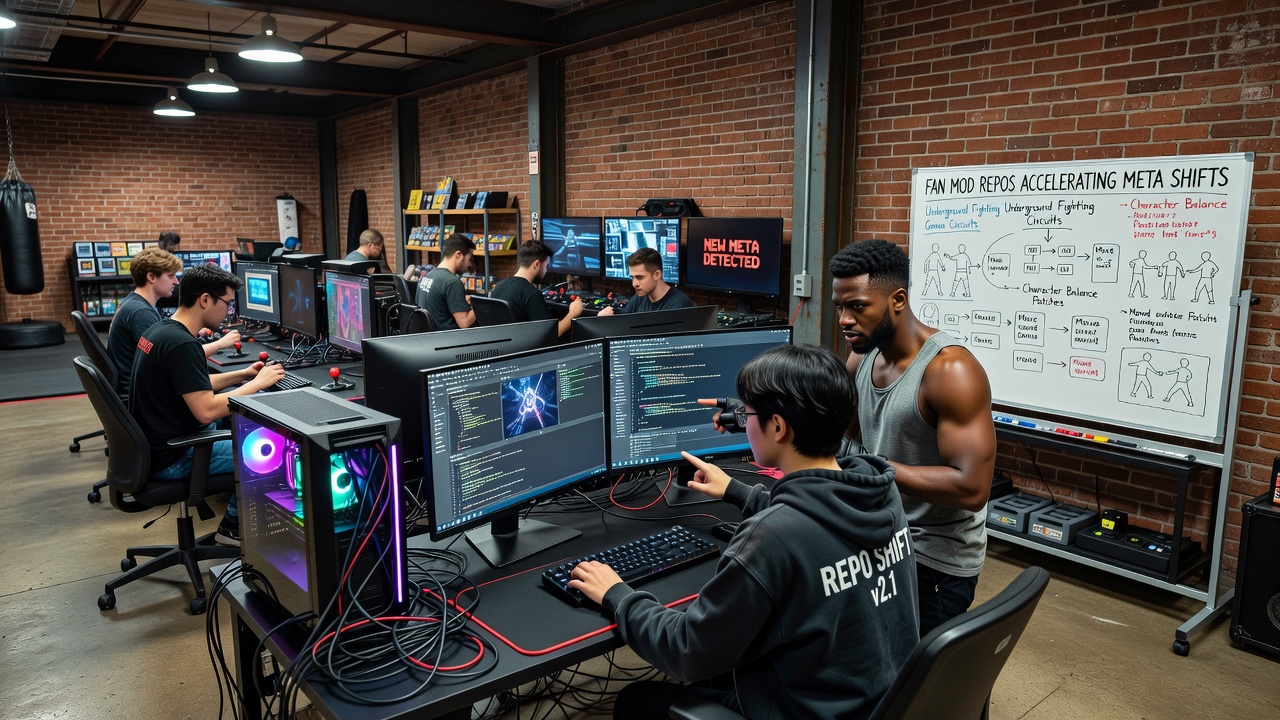
Community-driven repositories have emerged as central hubs for distributing custom modifications to fighting game titles, and these platforms now play a documented role in speeding up changes to competitive strategies within informal tournament scenes. Observers note that players access updated character data, balance tweaks, and new mechanics through shared archives rather than waiting for official patches, which allows groups to test and refine approaches at a faster pace. Research from university labs tracking mod usage patterns shows increased iteration cycles in cities with active underground circuits, where participants exchange files during late-night sessions or through encrypted forums.
Repository Structures and Access Patterns
Repositories typically organize files by game version, mod type, and compatibility notes, which helps users locate relevant changes without extensive trial and error. Data from the International Game Developers Association indicates that mod archives for older titles such as certain Street Fighter iterations and custom Tekken builds receive thousands of downloads each month, with spikes following major community events. Participants in these networks often contribute their own adjustments after testing in controlled matches, creating a feedback loop that researchers at the University of Tokyo documented in a 2025 paper on digital game preservation. And the pattern continues into October 2026, where new submissions appear within hours of initial discoveries at regional gatherings.
Meta Shifts Driven by Shared Modifications
Meta shifts occur when a particular mod alters frame data, hitbox properties, or move priorities enough to favor previously underused characters or tactics. Studies from the European Games Developer Federation reveal that underground groups adopting repository files adapt their lineups within one to two weeks, compared with longer periods in scenes relying solely on official updates. One documented case involved a modified version of a classic Capcom title where a single repository upload adjusted projectile speeds, which led multiple crews to switch main characters during a series of warehouse events in North America. Those who tracked match logs reported a measurable rise in diversity of character selections after the file spread through regional nodes.
Additional repositories focus on stage modifications and rule variants that change how matches progress, such as altered round timers or environmental interactions. These elements combine with core mechanic tweaks to produce layered strategy layers that players must navigate quickly. Figures from regional gaming associations in Australia show that circuits incorporating such mods schedule more frequent events because participants can prepare responses faster through shared testing environments.
Geographic Spread and Regional Variations
Underground circuits in different regions interact with the same repositories yet develop distinct adaptations based on local preferences. In European cities, groups emphasize defensive mod sets that reward precise spacing, while North American scenes lean toward aggressive alterations that increase combo potential. Reports compiled by the Japan Amusement Machine and Marketing Association note that cross-regional file exchanges accelerate these divergences, as players incorporate elements discovered elsewhere. By October 2026, several archives had introduced version control features that allow users to roll back to earlier meta states for comparison matches, which further supports rapid experimentation without permanent commitment.
Community Governance and File Verification
Moderators within repositories apply verification steps to reduce corrupted or malicious uploads, and participants often run checksum comparisons before installing files on personal hardware. This practice maintains stability across events where multiple machines connect for bracket play. Observers tracking these systems find that verified repositories experience higher retention rates among consistent attendees, which in turn supports sustained meta development over months rather than isolated spikes. Academic analyses confirm that such governance reduces downtime during tournaments and encourages broader contribution from newer members who feel confident in file integrity.
Conclusion
Repositories continue to serve as primary channels for distributing modifications that reshape competitive frameworks in underground fighting game circuits, with documented effects on adaptation speed and strategic variety across multiple regions. Ongoing contributions and verification processes sustain the flow of updates, while regional differences highlight how shared resources interact with local play styles. Data collected through 2026 shows consistent patterns of accelerated meta evolution tied directly to repository activity rather than external factors alone.