Hardware Limitations Inspiring Innovative Camera Strategies in Portable Esports Broadcasting
Avery Russell · Sep 15, 2026
Hardware Limitations Inspiring Innovative Camera Strategies in Portable Esports Broadcasting
Portable device esports coverage operates under strict hardware boundaries that shape how camera work unfolds during live events, and observers note these boundaries include limited processing power, battery capacity, and built-in camera sensors on smartphones and tablets. Data from industry reports indicate that mobile esports viewership reached significant levels by mid-2025, with portable broadcasts accounting for a growing share of tournament streams worldwide. Researchers have documented how these constraints push production teams toward software adjustments, accessory integrations, and angle selections that maintain viewer engagement without exceeding device capabilities.
Core Hardware Boundaries in Portable Esports Setups
Smartphones and tablets used for esports coverage face thermal throttling after extended operation, which reduces frame rates during camera feeds, and this issue becomes pronounced during multi-hour tournaments where sustained performance matters. Battery drain accelerates when multiple applications run simultaneously for encoding, overlay graphics, and network transmission, so production crews often schedule shorter segments or incorporate external power solutions to sustain operations. Camera sensors on consumer portable devices deliver lower dynamic range and reduced low-light performance compared to dedicated broadcast equipment, which leads teams to favor well-lit venue positions and post-processing filters that compensate for these sensor limitations.
Software Adjustments That Extend Device Capabilities
Developers have created applications that optimize video encoding for lower bitrates while preserving image clarity, and these tools allow portable devices to handle 1080p streams without overwhelming internal processors. Observers note that compression algorithms tailored for esports footage reduce data loads by prioritizing motion-heavy areas such as character movements over static backgrounds. In September 2026, updated firmware releases from major device manufacturers introduced improved thermal management profiles that extended continuous recording times during competitive events. Studies from academic institutions reveal that such software tweaks have increased average broadcast uptime by measurable percentages across regional tournaments in Asia and North America.
Accessory Integrations and Physical Workarounds
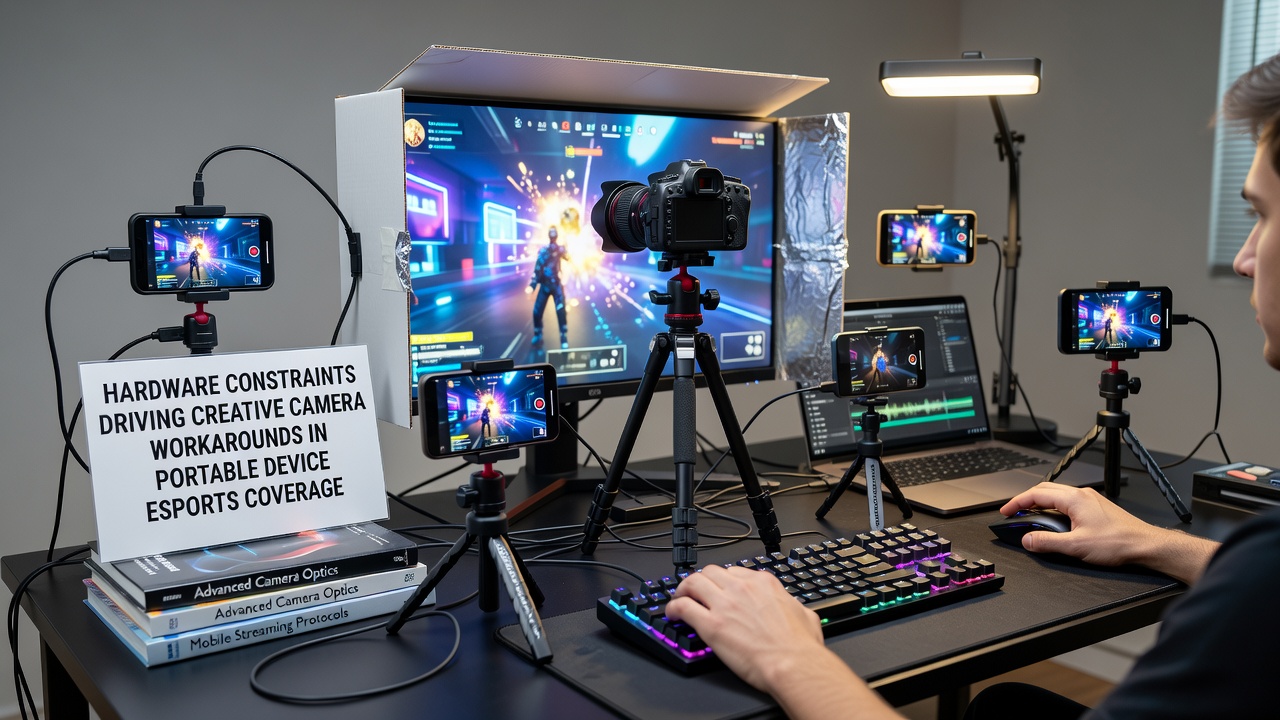
Production teams attach compact lens attachments and stabilizer rigs to portable devices to enhance focal options and reduce shake during dynamic coverage, yet these additions must remain lightweight to avoid further taxing battery reserves. External capture cards paired with tablets enable higher-quality input from venue cameras while the portable unit handles streaming duties, and this hybrid approach distributes processing demands across multiple components. Data indicates that teams coordinating these setups often achieve more stable feeds during battle royale and MOBA events where rapid camera switches occur. Industry organizations such as the Entertainment Software Association have tracked how accessory adoption correlates with higher production values in mobile-first broadcasts.
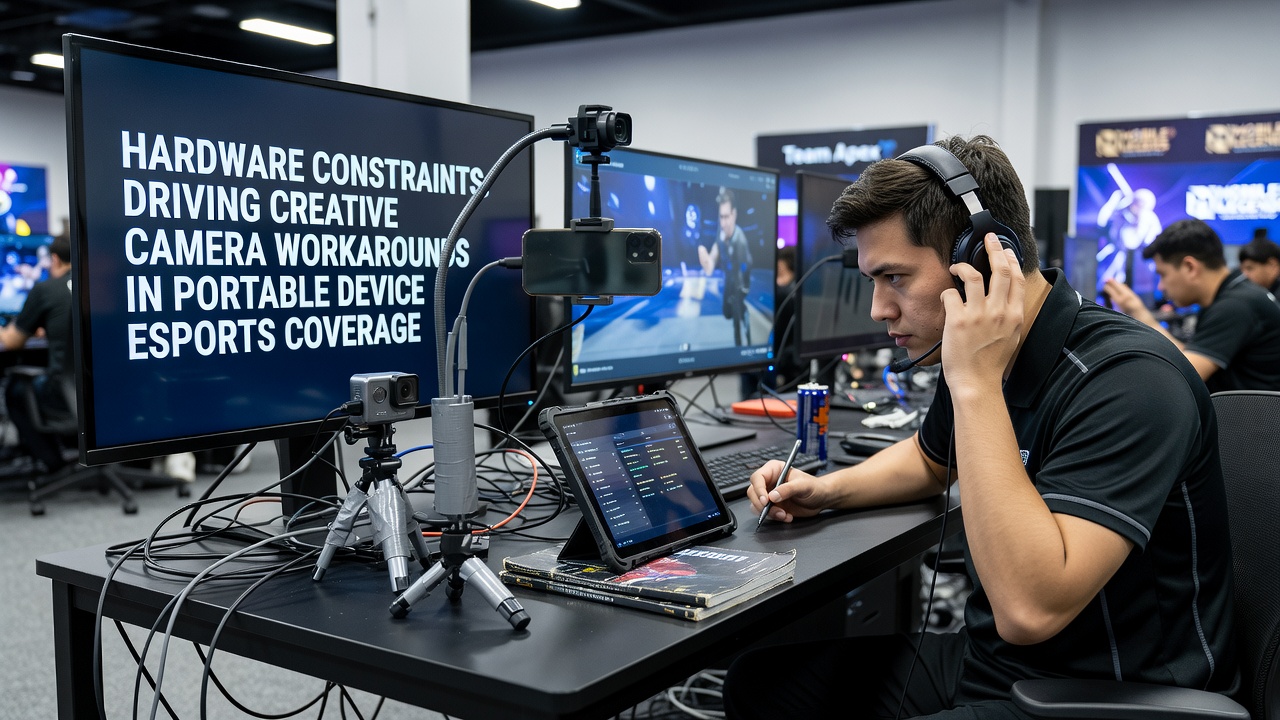
Those who manage on-site logistics report that positioning portable devices at elevated angles or near consistent lighting sources minimizes the need for heavy digital corrections later. Wireless microphone pairings and directional antennas further support audio-visual synchronization without adding substantial weight or power draw to the core device.
Regional Tournament Examples Demonstrating Adaptation Patterns
One European event series incorporated tablet-based coverage with custom angle-switching software that cycled between player perspectives and overhead maps, and this method compensated for single-device sensor limits by relying on pre-calibrated positions rather than live manual adjustments. In North American circuits, crews combined smartphone feeds with lightweight gimbals to track fast-paced action in fighting game tournaments, where hardware constraints previously caused frame drops during rapid movements. Research from the University of Sydney indicates that such regional adaptations have influenced global standards, with data showing improved viewer retention metrics when workarounds align with specific game genres.
Effects on Broadcast Quality and Audience Reach
Creative camera approaches maintain narrative flow during matches despite hardware caps, and figures from multiple studies reveal that audiences respond positively to consistent visual quality achieved through these methods. Network conditions interact with device limits, so teams select compression settings that balance clarity against available bandwidth at each venue. Observers note that these combined strategies have supported expansion of portable esports coverage into markets where dedicated equipment remains cost-prohibitive. A report issued by Canadian regulatory bodies on digital media infrastructure highlights measurable growth in mobile tournament participation following the adoption of optimized camera techniques.
Conclusion
Hardware constraints continue to drive development of targeted camera solutions in portable device esports coverage, and evidence from ongoing events shows sustained innovation in software and accessory domains. Production teams worldwide apply these adaptations to deliver reliable streams that meet audience expectations across varied tournament formats. Future device iterations may ease certain limitations, yet current patterns suggest that creative workarounds will remain integral to the field.