Soundscapes of Victory: How Custom Audio Setups Reshape Immersion for Remote Esports Audiences
Avery Russell · Sep 29, 2026
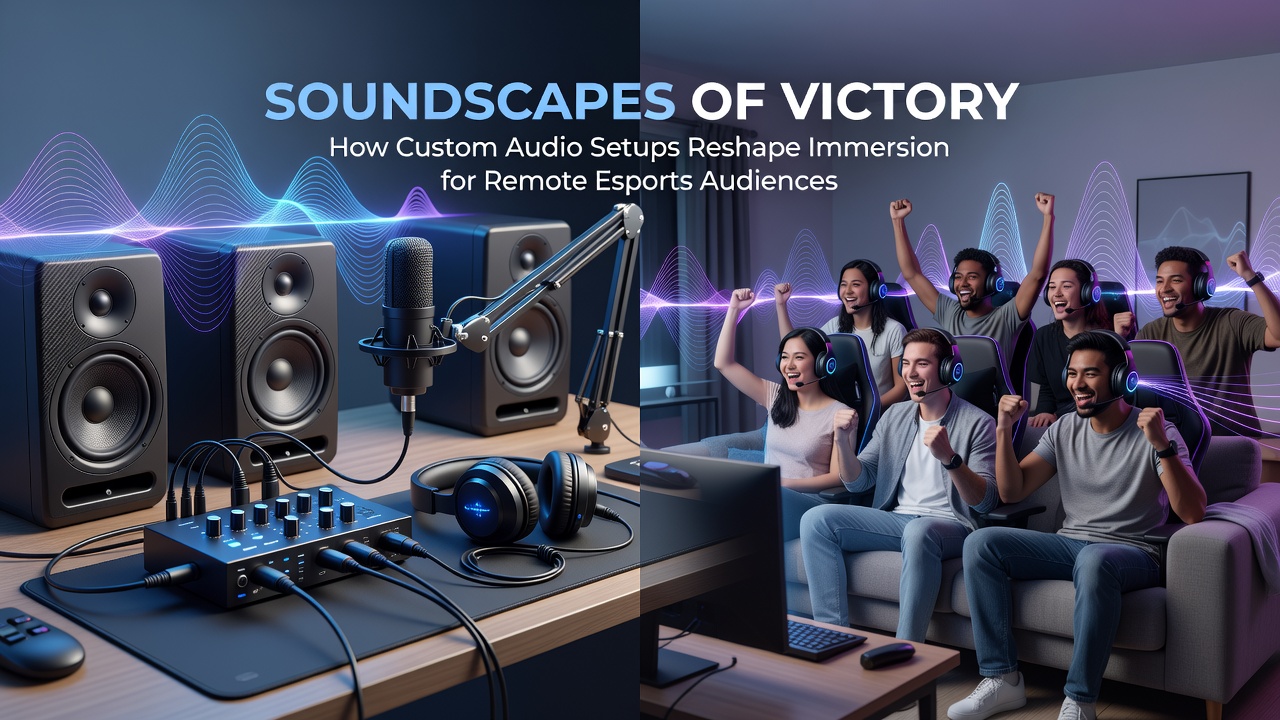
Soundscapes of Victory: How Custom Audio Setups Reshape Immersion for Remote Esports Audiences
Custom audio configurations have gained traction among remote esports viewers who seek deeper engagement with competitive matches, and data from platform analytics shows rising adoption rates for spatial sound tools and personalized equalization profiles throughout 2025 and into September 2026. These setups allow audiences watching from home to adjust directional cues, frequency balances, and ambient layers that broadcast feeds deliver, while researchers at institutions across North America and Europe have documented measurable shifts in how viewers perceive game events and team movements.
Technical Foundations Behind Personalized Sound Design
Hardware manufacturers now integrate advanced drivers and software layers into consumer headsets that support multi-channel rendering, which means viewers can map in-game audio sources to specific positions around their listening environment rather than relying on stereo mixes alone. Studies conducted by Canadian research groups indicate that participants using these systems report clearer separation between footsteps, ability activations, and crowd reactions when compared against standard output methods. Software platforms have followed suit by embedding Dolby Atmos and similar object-based audio pipelines directly into streaming applications, enabling remote fans to toggle between preset modes tailored for different titles without requiring additional equipment purchases.
Network conditions also play a role because low-latency delivery protocols help preserve timing accuracy for positional audio, and observers note that tournaments held in September 2026 incorporated dedicated audio streams alongside video to reduce desync issues that previously disrupted immersion. Industry reports from the Asia-Pacific region highlight partnerships between platform operators and audio specialists that resulted in standardized profiles for popular battle arena games, allowing audiences in different time zones to access consistent experiences through cloud-based processing.
Viewer Engagement Patterns and Accessibility Factors
Remote audiences have incorporated custom audio into their viewing routines because these tools support individual hearing profiles and reduce fatigue during extended sessions, while figures from university-led surveys in Australia reveal increased session durations among users who activate spatial features. Accessibility improvements appear as well since adjustable volume curves and frequency filters help viewers with varying auditory sensitivities maintain focus on critical in-game sounds without external interference. Esports organizers have responded by providing optional audio commentary tracks that integrate with viewer-side processing, which creates layered experiences where analysts' voices sit alongside game audio in user-defined spatial arrangements.
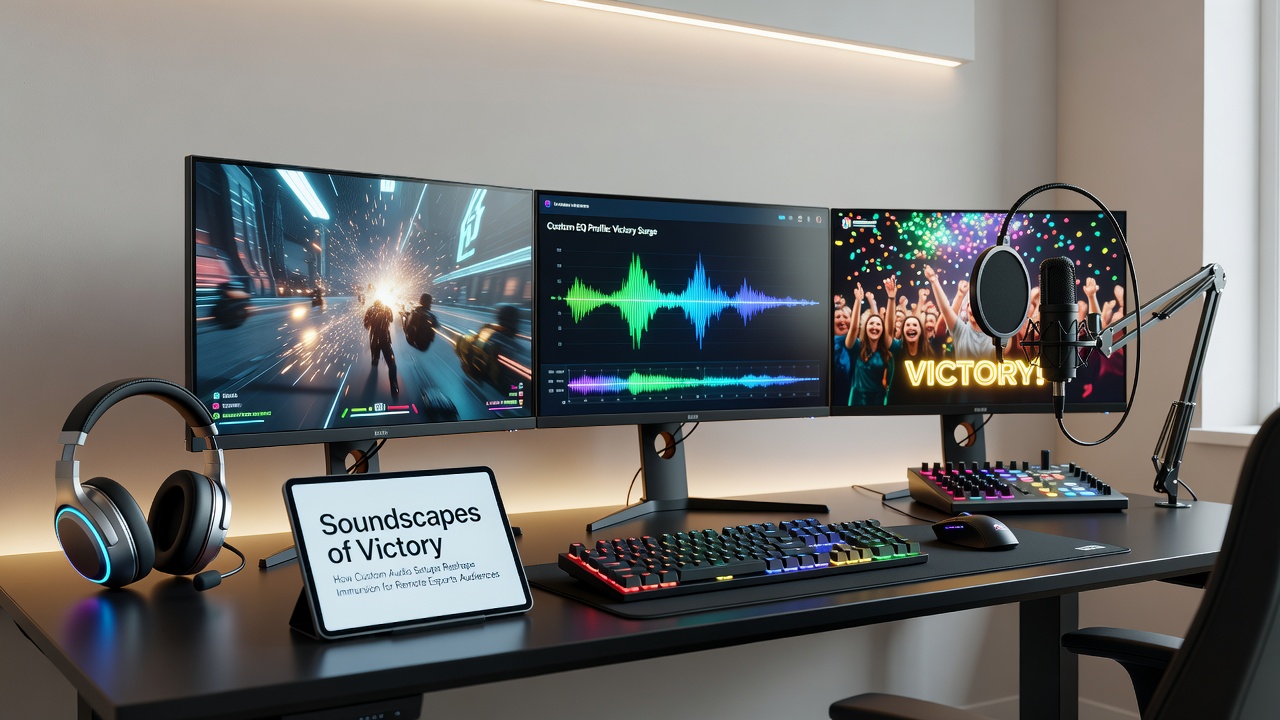
Community forums document shared configuration files that circulate among viewer groups, and these resources allow newcomers to replicate setups proven effective during major events. Data collected by European trade associations shows that adoption correlates with tournament scale, because larger productions offer richer audio stems that reward customization efforts. Yet smaller regional leagues have begun experimenting with simplified tools to broaden participation without demanding high-end hardware from their audiences.
Case Examples from Recent Broadcasts
One production team in North America deployed custom audio options during a September 2026 championship series, and viewer metrics indicated higher retention rates among those who activated positional rendering compared with default settings. Researchers tracking physiological responses found that heart rate variability aligned more closely with on-screen action when directional audio cues matched visual movements, according to findings shared by academic collaborators in the United Kingdom. Another instance involved a European league that partnered with an audio research institute to test real-time mixing adjustments based on audience feedback loops, which resulted in refined broadcast mixes available through dedicated applications.
These implementations demonstrate how production pipelines now accommodate downstream customization rather than delivering fixed mixes, and industry organizations in South Korea have published guidelines encouraging similar practices for future events. Remote viewers gain agency over their sensory input, which in turn influences how they interpret strategy and team coordination during live matches.
Conclusion
Custom audio setups continue to expand the range of options available to remote esports audiences, supported by hardware advances, software integration, and production adjustments observed across multiple regions. Evidence from academic and industry sources points to sustained interest in these tools as tournaments evolve their delivery methods. Observers expect further refinements in accessibility features and cross-platform compatibility to accompany upcoming seasons, while data collection efforts track long-term effects on viewer retention and engagement metrics.